
Discover Authentic Yemeni Music Genres
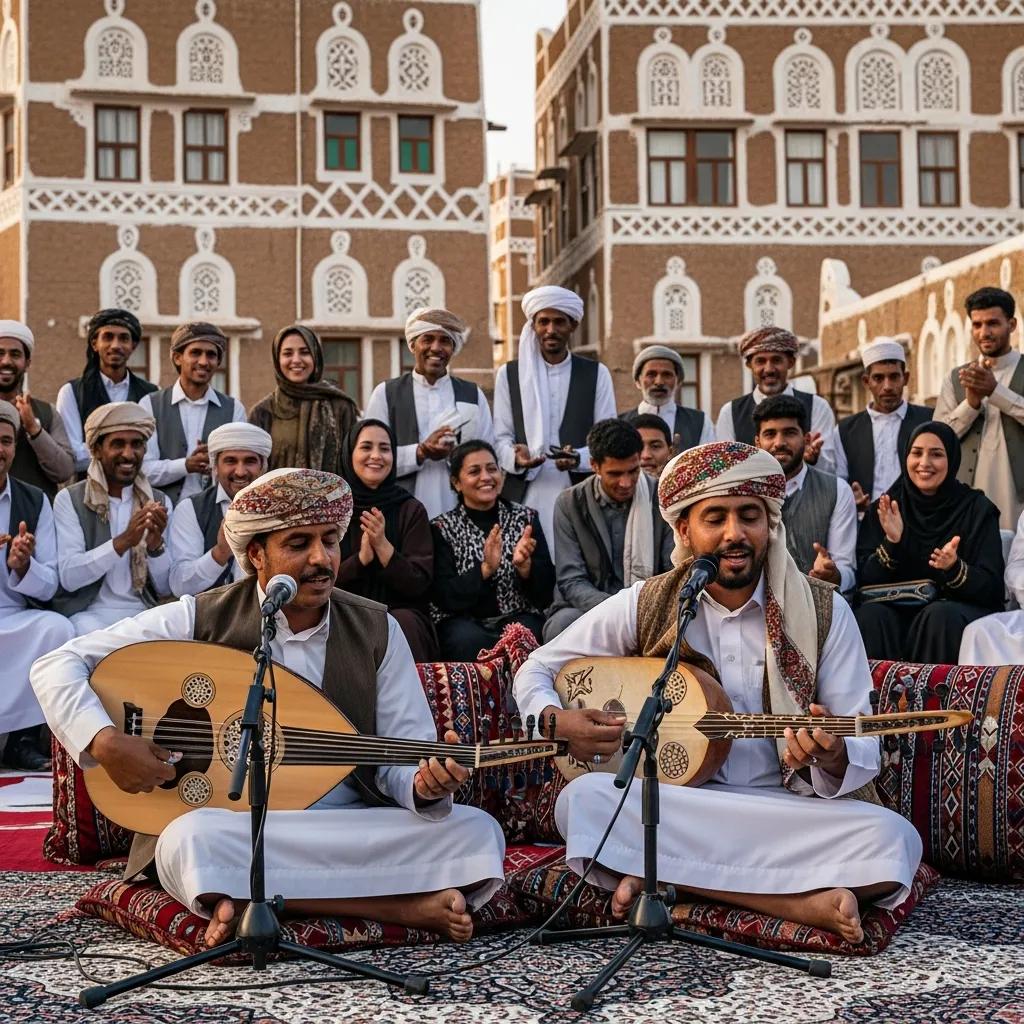
Discover Authentic Yemeni Music Genres: Explore Traditional Styles, Instruments, and Cultural Significance
Yemeni music is a vibrant tapestry woven from the rich cultural heritage of Yemen, showcasing a variety of traditional genres that reflect the country’s diverse history and social fabric. This article delves into the authentic Yemeni music genres, exploring their characteristics, the instruments that define them, and their cultural significance. Readers will gain insights into how these musical styles not only entertain but also serve as a vital expression of identity and community. As we navigate through the main Yemeni traditional music genres, the role of folk instruments, and the integration of music into cultural events, we will uncover the profound impact of music on Yemeni life. Additionally, we will discuss how Yemeni music connects to travel and lifestyle experiences, offering a unique perspective for those looking to immerse themselves in this rich cultural landscape.
What Are the Main Yemeni Traditional Music Genres?
Yemeni traditional music encompasses a variety of genres, each with its unique characteristics and cultural significance. The primary genres include Sanaani music, Hadhrami music, and tribal music, each reflecting the distinct regional influences and historical contexts of Yemen. Sanaani music, originating from the capital city of Sana’a, is known for its poetic lyrics and intricate melodies, often performed in social gatherings and cultural events. Hadhrami music, from the Hadhramaut region, features a more rhythmic and danceable style, often accompanied by traditional instruments. Tribal music, on the other hand, varies significantly across different tribes, showcasing the diverse cultural expressions found throughout Yemen.
How Does Sanaani Music Reflect Yemen’s Cultural Heritage?
Sanaani music serves as a vital link to Yemen’s cultural heritage, encapsulating the historical narratives and social values of its people. This genre is characterized by its use of poetic forms, often addressing themes of love, nature, and social issues. The melodies are typically accompanied by the “oud”, a traditional string instrument, which enhances the emotional depth of the performances. Notable artists in this genre, such as Ahmed Fathi and Ahlam Al-Sharif, have contributed to the preservation and evolution of Sanaani music, ensuring its relevance in contemporary society. Through its rich lyrical content and melodic complexity, Sanaani music continues to resonate with audiences, reflecting the enduring spirit of Yemeni culture.
What Are the Characteristics of Hadhrami and Tribal Music Styles?
Hadhrami music is distinguished by its rhythmic patterns and lively beats, often performed during celebrations and social gatherings. The use of percussion instruments, such as the darbuka, adds to its energetic feel, making it a favorite for dance. In contrast, tribal music varies widely among different tribes, with each group infusing their unique cultural elements into their musical expressions. This diversity is evident in the varying instruments, styles, and themes present in tribal music, which often reflects the tribe’s history and social structure. Both Hadhrami and tribal music play crucial roles in community bonding and cultural identity, showcasing the rich musical heritage of Yemen.
Which Yemeni Folk Instruments Define Authentic Music?
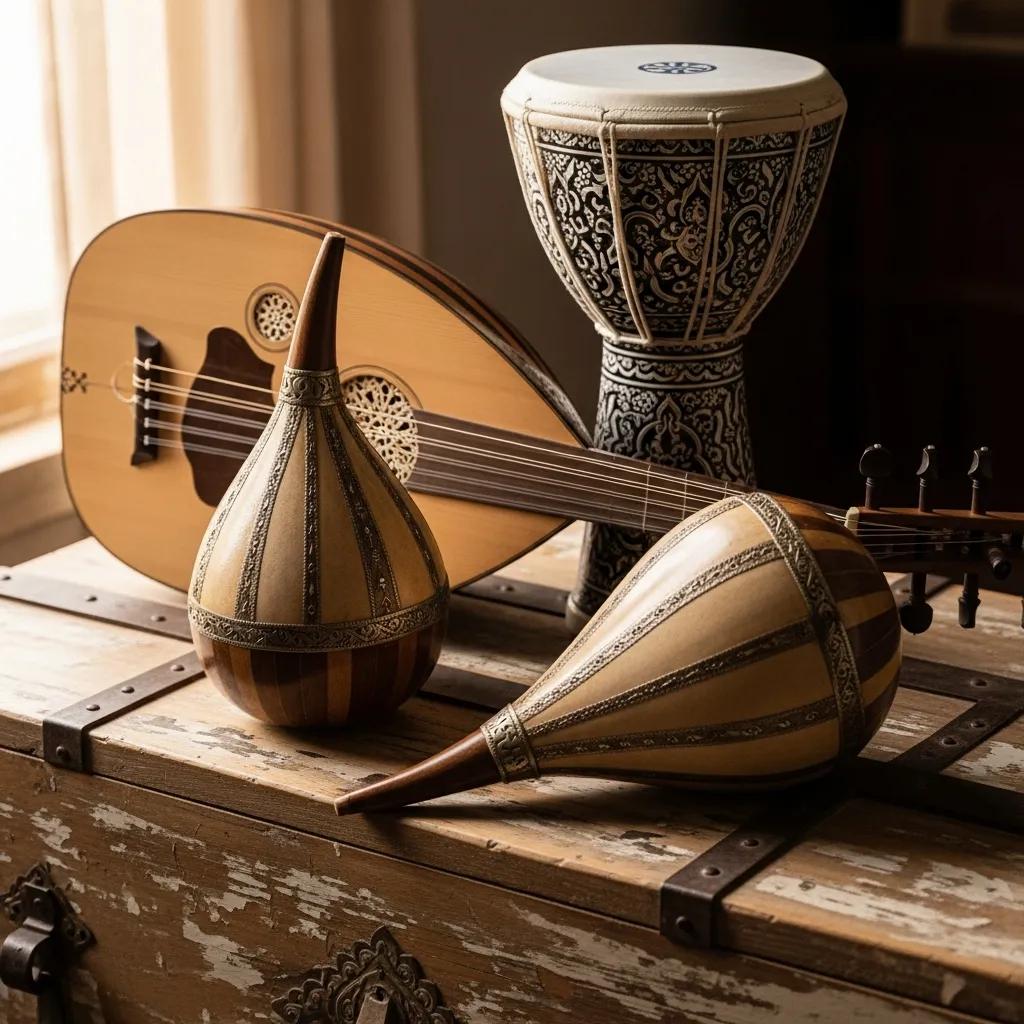
Yemeni music is deeply intertwined with its traditional instruments, which play a crucial role in defining the sound and character of its various genres. The most prominent instruments include the oud, qanbus, and various percussion instruments, each contributing to the unique auditory experience of Yemeni music. These instruments not only provide the musical foundation but also carry significant cultural meanings, often associated with specific rituals and celebrations.
What Is the Role of the Oud and Qanbus in Yemeni Music?
The oud and qanbus are central to Yemeni music, each offering distinct sounds that enhance the overall musical experience. The oud, a pear-shaped string instrument, is known for its rich, warm tones and is often used in solo performances as well as ensemble settings. Its construction involves intricate craftsmanship, which contributes to its unique sound. The qanbus, a type of lute, complements the oud with its higher pitch and bright timbre, making it a popular choice for lively performances. Together, these instruments create a harmonious blend that is characteristic of Yemeni music, enriching the cultural landscape of the region.
How Do Traditional Instruments Influence Yemeni Music Styles?
Traditional instruments significantly influence the development of Yemeni music styles, shaping the sound and performance practices of various genres. The unique tonal qualities of instruments like the oud and qanbus dictate the melodic structures and rhythmic patterns found in Yemeni music. Additionally, the incorporation of percussion instruments, such as the tabla and darbuka, adds layers of complexity and energy to performances. This interplay between instruments not only defines the musical style but also enhances the cultural significance of the music, as it reflects the historical and social contexts from which these genres emerged.
How Is Yemeni Music Integrated into Cultural Events and Traditions?
Yemeni music plays a vital role in cultural events and traditions, serving as a medium for expression and celebration. Music is an integral part of various ceremonies, including weddings, festivals, and religious observances, where it enhances the communal experience and fosters a sense of belonging. The melodies and rhythms of Yemeni music resonate deeply within the cultural fabric, marking significant life events and communal gatherings.
What Music Is Featured in Yemeni Weddings and Festivals?
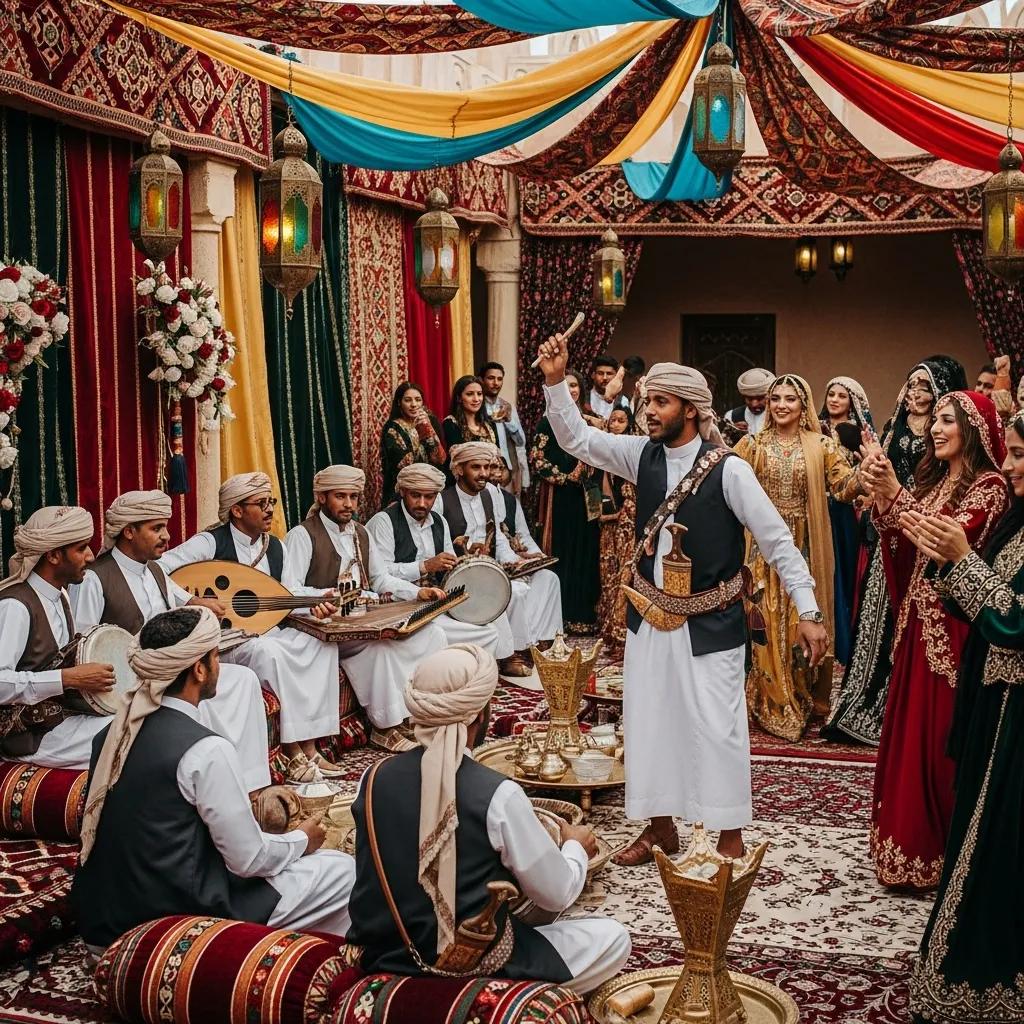
In Yemeni weddings and festivals, music serves as a celebratory backdrop, enhancing the joyous atmosphere of these events. Traditional songs are performed to accompany various rituals, such as the bride’s entrance and the ceremonial dances. The use of live musicians, often featuring the oud and percussion instruments, creates an engaging and festive environment. Notable performances during these events often highlight the talents of local artists, showcasing the rich musical heritage of Yemen and its importance in social celebrations.
How Does Music Enhance Yemeni Cultural Celebrations?
Music enhances Yemeni cultural celebrations by fostering emotional connections and reinforcing cultural identity. The melodies evoke feelings of joy, nostalgia, and unity among participants, creating a shared experience that transcends individual differences. Through music, cultural narratives are passed down from generation to generation, ensuring the preservation of traditions and values. The emotional resonance of Yemeni music during celebrations underscores its significance as a cultural cornerstone, enriching the communal experience and reinforcing social bonds.
What Is the Historical and Cultural Significance of Yemeni Music?
The historical and cultural significance of Yemeni music is profound, reflecting the country’s diverse heritage and the evolution of its musical traditions. Over the centuries, Yemeni music has been influenced by various cultural exchanges, including trade and migration, which have enriched its musical landscape. This genre not only serves as a form of entertainment but also as a means of preserving cultural identity and history.
How Has Yemeni Music Evolved Over Time?
Yemeni music has evolved significantly over time, adapting to changing social and cultural contexts. Historical events, such as the spread of Islam and the influence of neighboring cultures, have shaped the musical styles and practices found in Yemen today. The introduction of new instruments and musical forms has led to the diversification of Yemeni music, allowing it to remain relevant in contemporary society. This evolution reflects the resilience of Yemeni culture and its ability to adapt while maintaining its core identity.
Why Is Preserving Yemeni Music Important for Cultural Identity?
Preserving Yemeni music is crucial for maintaining cultural identity, as it embodies the values, traditions, and history of the Yemeni people. Music serves as a repository of collective memory, allowing communities to connect with their past and reinforce their cultural heritage. Efforts to document and promote traditional music are essential for ensuring its survival in the face of globalization and cultural homogenization. By valuing and preserving their musical traditions, Yemenis can continue to celebrate their unique identity and share it with future generations.
How Does Yemeni Music Connect to Travel and Lifestyle Experiences?
Yemeni music offers a unique lens through which travelers can experience the rich cultural landscape of Yemen. Engaging with local music not only enhances the travel experience but also fosters a deeper understanding of the country’s traditions and social dynamics. For those seeking to immerse themselves in authentic Yemeni culture, music serves as a gateway to exploring the vibrant lifestyle and community spirit of the region.
What Are the Best Ways to Experience Authentic Yemeni Music While Traveling?
To experience authentic Yemeni music while traveling, visitors should seek out local performances, cultural festivals, and traditional gatherings. Attending live music events in cities like Sana’a and Taiz provides an opportunity to witness the richness of Yemeni musical traditions firsthand. Engaging with local artists and musicians can also offer insights into the cultural significance of the music and its role in everyday life. Additionally, exploring traditional markets and community events can enhance the travel experience, allowing visitors to connect with the local culture through music.
How Does Yemeni Music Influence Local Lifestyle and Tourism?
Yemeni music significantly influences local lifestyle and tourism by attracting visitors interested in cultural experiences. The vibrant music scene not only showcases the artistic talents of local musicians but also promotes cultural tourism, encouraging travelers to explore Yemen’s rich heritage. Music festivals and cultural events serve as platforms for showcasing traditional music, drawing both local and international audiences. This connection between music and tourism highlights the importance of preserving and promoting Yemeni musical traditions as a means of fostering cultural exchange and economic development.